
Founder Toolkit
Beyond the Logo: How to Build a Complete Brand Kit for Your Startup
What goes into a startup brand kit (positioning, voice, logo system, colours, type, templates) and how a new business can build one on a small budget without looking amateur.
PerpeX Editorial3 min read
Most new founders think branding means a logo. Then they design a logo, put it on an Instagram page, and wonder why the business still looks and sounds like every other one.
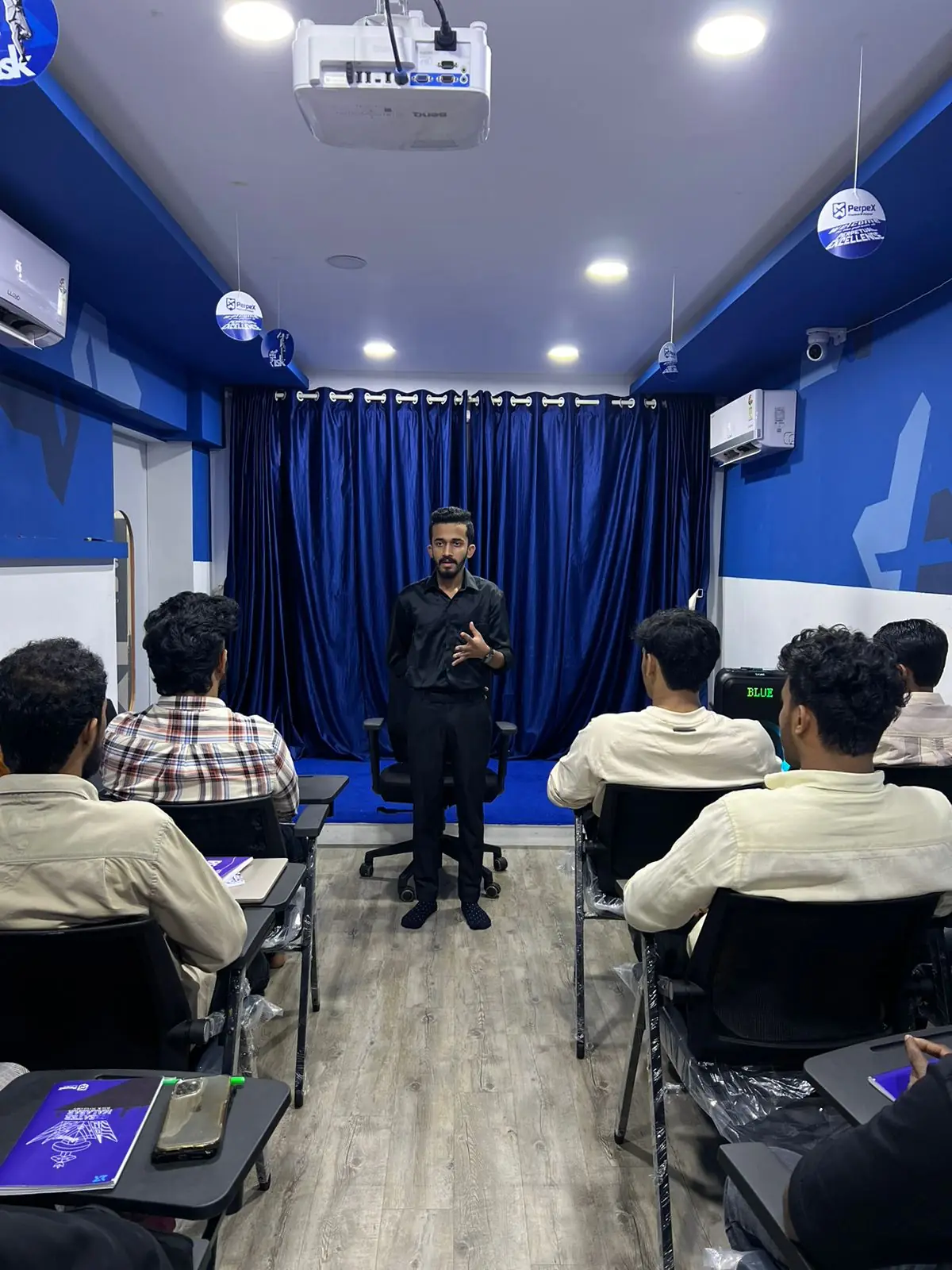
A strong brand is an ecosystem: what you stand for, how you sound and how you look, applied consistently everywhere a customer meets you. That was the theme of a recent BYOB Xpert Session with brand strategist Swalih, founder and CEO of Thebranday. Here's how to build a complete brand kit from the ground up.
1. Start with positioning, not visuals
Before any design, answer four questions in plain words:
- Who is it for? One specific customer, described in detail.
- What do they get? The outcome, not the feature.
- Why you? Your honest difference from the alternatives.
- What do you believe? The one idea behind the business.
Write a one-line positioning statement. Every design and copy decision should trace back to it.
2. Define your brand voice
Pick three words that describe how you sound, and three you never want to sound like. For example: warm, direct, confident, never corporate, pushy, cute. Then write sample lines: a greeting, a price message, an apology, a WhatsApp reply. Voice is where small brands can look big quickly.
3. Build a logo system, not just a logo
You'll need:
- A primary logo (full name and mark).
- A compact version for small spaces, such as social profile pictures.
- Light and dark variants.
- Clear rules for spacing and minimum size.
Simple and legible beats clever. Test it at the size of a WhatsApp profile photo.
4. Choose a colour palette with a job for each colour
Pick one or two primary colours, one accent for calls to action, and neutrals for text and backgrounds. Write down the exact codes (HEX for screens, CMYK for print) so everyone uses the same shades.
5. Pick two typefaces, and stop there
One for headings, one for body text. Free, well-made fonts are fine. If you communicate in Malayalam as well as English, choose type that works well in both scripts.
6. Photography and graphic style
Decide what your photos look like (real customers and team, or styled product shots), and the graphic elements you'll repeat, such as shapes, icons or patterns. Consistency is what makes a feed recognisable.
7. Make templates people will actually use
The brand kit only works if it's easy to use. Create templates for:
- Social posts and stories
- Visiting cards and letterheads
- Invoices and quotations
- Presentation slides
- Packaging or labels (for products)
8. Put it in one shared folder
A simple brand guide (even a 6-page PDF) plus the logo files, colours, fonts and templates in one shared folder. Share it with every designer, printer and team member.
A low-budget order of work
- Positioning and voice: free, and the most important.
- Logo system, colours and type: a good freelancer, or a simple DIY system.
- Templates: build as you need them.
- Revisit after 50 customers, when you know who really buys.
Build your brand while you build the business
Branding, digital marketing and sales are all part of the 3-month BYOB program, taught by practitioners and applied to your own venture. Our free Founder's Starter Bundle includes starter templates to get you going. Book a free counselling call to learn more.
- #brand kit
- #startup branding
- #brand identity for small business
- #branding Kerala
- #brand strategy
Learn it by doing it
Build a real business in the BYOB program.